<!doctype html>
<html xmlns="http://www.w3.org/1999/xhtml" xmlns:v="urn:schemas-microsoft-com:vml" xmlns:o="urn:schemas-microsoft-com:office:office" lang="en-US" xml:lang="en-US">
  <head>
    <title data-ignore-plain-text>AMOC collapse risk, FEMA shakeups, and new coastal resilience research</title>
    <meta http-equiv="content-type" content="text/html; charset=utf-8">
    <meta name="viewport" content="width=device-width, initial-scale=1, maximum-scale=1">
    <meta name="format-detection" content="address=no">
    <!--[if (gte mso 9)|(IE)]>
    <style type="text/css" media="screen">
      li {
        text-indent: -1em;
      }
    </style>
    <![endif]-->
    <style type="text/css" media="all">
      body,
.section-text-area,
.section-text-area-wrapper,
.section-text-cell {
    overflow-wrap: break-word;
    word-wrap: break-word;
    -ms-word-break: break-all;
    word-break: break-word;
}
body {
    width: 100% !important;
    min-width: 100% !important;
    -ms-text-size-adjust: none;
    -webkit-text-size-adjust: none;
    mso-line-height-rule: exactly;
}
p {
    margin-block: 0;
}
@media only screen and (max-width:  593px ) {
    table#newsletter-table {
        border: 0 !important;
    }
    table#newsletter-email {
        width: 100% !important;
    }
    img.section-scaleable-image,
    img.section-empty-img {
        max-width: 100% !important;
        height: auto !important;
    }
    .bg-none {
        background: none !important;
    }
    .hauto {
        height: auto !important;
    }
    .show-desktop-only {
        display: none !important;
    }
    .show-mobile-only {
        display: block !important;
        float: none !important;
        line-height: auto !important;
        max-height: inherit !important;
        max-width: inherit !important;
        margin-top: 0px !important;
        overflow: visible !important;
        visibility: inherit !important;
        width: auto !important;
    }
    .stack-cell-wrap {
        display: block !important;
    }
    .stack-cell-up {
        display: table-header-group !important;
    }
    .stack-cell-down {
        display: table-footer-group !important;
    }
    .mw100p {
        max-width: 100% !important;
    }
    .section-horizontal-padding,
    .padding-mobile-both {
        padding-left: 22px !important;
        padding-right: 22px !important;
    }
    .padding-mobile-left {
        padding-left: 22px !important;
    }
    .padding-mobile-right {
        padding-right: 22px !important;
    }
    .text-left {
        text-align: left !important;
    }
    .text-right {
        text-align: right !important;
    }
    .w100p {
        width: 100% !important;
    }
}
.button-style-solid:hover,
.button-style-rounded:hover {
    opacity: .8 !important;
}
a:hover {
    text-decoration: none !important;
}
span.mail-merge-preview {
    border-bottom: 2px dotted currentColor;
    display: inline-block;
    line-height: 1em !important;
    margin-bottom: .125em !important;
}
table#newsletter-section-body .linked-site-title-link {
    color: #315f8d !important;
}
#header-header-section-stacked-top-0 .brand-name .linked-site-title-link {
    color: #000;
    text-decoration: none;
}
#footer-footer-section-stacked-top-0 .brand-name .linked-site-title-link {
    color: #000;
    text-decoration: none;
}
#footer-footer-section-stacked-top-0 .footer-text .linked-site-title-link {
    color: #315f8d;
}

    </style>
    
    
    <!--[if mso]>
    <noscript>
      <xml>
        <o:OfficeDocumentSettings>
          <o:AllowPNG/>
          <o:PixelsPerInch>96</o:PixelsPerInch>
        </o:OfficeDocumentSettings>
      </xml>
    </noscript>
    <![endif]-->
    
    <!--[if (mso)|(mso 16)]>
      <style type="text/css">
        a {text-decoration: none;}
      </style>
    <![endif]-->
  </head>
  <body style="padding:0;margin:0;text-align:center;background-color:#e4e4e4;">
    <table role="article" aria-label="AMOC collapse risk, FEMA shakeups, and new coastal resilience research" lang="en-US" cellpadding="0" cellspacing="0" border="0" align="center" id="newsletter-table" style="font-size:16px;font-weight:normal;width:100%;padding:0px;background-color:#e4e4e4;border-top:44px solid #e4e4e4;border-bottom:44px solid #e4e4e4;margin:0 auto;text-align:center;table-layout:fixed;">
  <tbody><tr>
    <td align="center" valign="top" bgcolor="#E4E4E4" id="newsletter-cell" style="font-size:.9375em;">
      <div data-ignore-plain-text class="newsletter-preview-text" style="color:transparent;display:none !important;height:0;max-height:0;max-width:0;opacity:0;overflow:hidden;mso-hide:all;visibility:hidden;width:0;">
        
            
            New science on Thwaites Glacier, federal policy changes, state resilience efforts, and legislative updates   ͏   ͏   ͏   ͏   ͏   ͏   ͏   ͏   ͏   ͏   ͏   ͏   ͏   ͏   ͏   ͏   ͏   ͏   ͏   ͏   ͏   ͏   ͏   ͏   ͏   ͏   ͏   ͏   ͏   ͏   ͏   ͏   ͏   ͏   ͏   ͏   ͏   ͏   ͏   ͏   ͏   ͏   ͏   ͏   ͏   ͏   ͏   ͏   ͏   ͏   ͏   ͏   ͏   ͏   ͏   ͏   ͏   ͏   ͏   ͏   ͏   ͏   ͏   ͏   ͏   ͏   ͏   ͏   ͏   ͏   ͏   ͏   ͏   ͏   ͏   ͏   ͏   ͏   ͏   ͏   ͏   ͏   ͏   ͏   ͏   ͏   ͏   ͏   ͏   ͏   ͏   ͏   ͏   ͏   ͏   ͏   ͏   ͏   ͏   ͏   ͏   ͏   ͏   ͏   ͏   ͏   ͏   ͏   ͏   ͏   ͏   ͏   ͏   ͏   ͏   ͏   ͏   ͏   ͏   ͏   ͏   ͏   ͏   ͏   ͏   ͏   ͏   ͏   ͏   ͏   ͏   ͏   ͏   ͏   ͏   ͏   ͏   ͏   ͏   ͏   ͏   ͏   ͏   ͏   ͏   ͏   ͏   ͏   ͏   ͏   ͏   ͏   ͏   ͏   ͏   ͏   ͏   ͏   ͏   ͏   ͏   ͏   ͏   ͏   ͏   ͏   ͏   ͏   ͏   ͏   ͏   ͏   ͏   ͏   ͏   ͏   ͏   ͏   ͏   ͏   ͏   ͏   ͏   ͏   ͏   ͏   ͏   ͏   ͏   ͏   ͏   ͏   ͏   ͏   ͏   ͏   ͏   ͏   ͏   ͏   ͏   ͏   ͏   ͏   ͏   ͏   ͏   ͏   ͏   ͏   ͏   ͏   ͏   ͏   ͏   ͏   ͏   ͏   ͏   ͏   ͏   ͏   ͏   ͏   ͏   ͏   ͏   ͏   ͏   ͏   ͏   ͏   ͏   ͏   ͏   ͏   ͏   ͏   ͏   ͏   ͏   ͏   ͏   ͏   ͏   ͏   ͏   ͏   ͏   ͏   ͏   ͏   ͏   ͏   ͏
        
      </div>
      <table border="0" cellpadding="0" cellspacing="0" width="594" bgcolor="#FFFFFF" id="newsletter-email">
        <tbody><tr>
          <td align="center" valign="top" id="newsletter-email-wrapper" class="book-sans">
            <table role="presentation" width="100%" cellpadding="0" cellspacing="0" border="0" id="newsletter-section-header">
              <tbody><tr>
                <td align="center" valign="middle" id="newsletter-section-header-cell">
                  
<div id="header-header-section-stacked-top-0">


<table role="presentation" width="100%" cellpadding="0" cellspacing="0" border="0" bgcolor="#F7FAFC" class="section-content header-section header-section-stacked" style="background-color:#f7fafc;">
  <tbody><tr>
    <td align="center" valign="middle" class="section-text-area section-content-cell" style="padding-top:26px;padding-right:26px;padding-bottom:32px;padding-left:26px;">


    <a class="brand-logo-link" href="https://www.cfrp.info/" style="color:#315f8d !important;"><img class="brand-logo" src="https://images.squarespace-cdn.com/content/69d042b890f18b3f771e7010/54ff4b02-fdfc-400a-93f9-3919e1673ff4/coastal-flood-resilience-project_600px.png?content-type=image%2Fpng&amp;format=750w" height="89" alt="Coastal Flood Resilience Project" style="font-size:.75em;display:block;border:0;text-decoration:none;line-height:0;font-weight:normal;font-family:'DejaVu Sans Condensed', 'Liberation Sans', 'Nimbus Sans L', 'Helvetica Neue', Helvetica, Arial, sans-serif;color:#000;height:auto;max-height:89px;max-width:100%;width:auto;"></a>


    </td>
  </tr>
</tbody></table>

</div>
                </td>
              </tr>
            </tbody></table>
            <table role="presentation" width="100%" cellpadding="0" cellspacing="0" border="0" id="newsletter-section-body">
              <tbody><tr>
                <td align="center" valign="top" width="100%" id="newsletter-section-body-cell">
                  
<div id="text-text-section-0">


<table role="presentation" width="100%" cellpadding="0" cellspacing="0" border="0" bgcolor="transparent" class="text-section section-content">
  <tbody><tr>
    <td valign="top" class="section-text-area section-content-cell" style="padding-top:26px;padding-right:26px;padding-bottom:8px;padding-left:26px;color:#313131;background-color:transparent;">
      <p class="" style="color:inherit;font-size:.9375em;line-height:1.618em;margin:0 0 1.25em 0;font-weight:normal;margin-top:0;margin-bottom:0;font-family:'DejaVu Sans Condensed', 'Liberation Sans', 'Nimbus Sans L', 'Helvetica Neue', Helvetica, Arial, sans-serif;">July 20, 2026</p>
    </td>
  </tr>
</tbody></table>

</div>
<div id="text-text-section-1">


<table role="presentation" width="100%" cellpadding="0" cellspacing="0" border="0" bgcolor="#FFFFFF" class="text-section section-content">
  <tbody><tr>
    <td valign="top" class="section-text-area section-content-cell" style="padding-top:0px;padding-right:26px;padding-bottom:8px;padding-left:26px;color:#254d77;background-color:#fff;">
      <h2 style="color:inherit;margin:1.414em 0 .5em;font-weight:400;line-height:1.25em;font-size:1.8310546875em;mso-line-height-alt:1.8310546875em;margin-top:0;margin-bottom:0;font-family:'DejaVu Sans Condensed', 'Liberation Sans', 'Nimbus Sans L', 'Helvetica Neue', Helvetica, Arial, sans-serif;letter-spacing:-.01em;"><strong>Coastal Flood Resilience News</strong></h2>
    </td>
  </tr>
</tbody></table>

</div>
<div id="text-text-section-2">


<table role="presentation" width="100%" cellpadding="0" cellspacing="0" border="0" bgcolor="#FFFFFF" class="text-section section-content">
  <tbody><tr>
    <td valign="top" class="section-text-area section-content-cell" style="padding-top:0px;padding-right:26px;padding-bottom:16px;padding-left:26px;color:#000;background-color:#fff;">
      <p class="" style="color:inherit;font-size:.9375em;line-height:1.618em;margin:0 0 1.25em 0;font-weight:normal;margin-top:0;margin-bottom:0;font-family:'DejaVu Sans Condensed', 'Liberation Sans', 'Nimbus Sans L', 'Helvetica Neue', Helvetica, Arial, sans-serif;"><em>Twice a month, CFRP recaps the latest science, federal policy, and state and local news related to coastal flood resilience and sea level rise. Prior issues can be viewed <a href="https://www.cfrp.info/newsletter" rel="nofollow" style="color:#315f8d !important;">on our website</a>.</em></p>
    </td>
  </tr>
</tbody></table>

</div>
<div id="image-image-section-below-3">
<table role="presentation" width="100%" cellpadding="0" cellspacing="0" border="0" bgcolor="transparent" class="image-section below-layout section-content">


    <tbody><tr>
      <td>
        <table role="presentation" width="100%" cellpadding="0" cellspacing="0" border="0">
          <tbody><tr>
              

            <td align="left" valign="middle" class="section-image-cell section-content-cell section-hoverable-image" data-aspect="ORIGINAL" style="padding:0;">
              
  <img class="section-scaleable-image" src="https://images.squarespace-cdn.com/content/69d042b890f18b3f771e7010/18919341-c3a0-4686-b74e-f27fb2c7b0a3/NEW_Atlantic_cover_1024x576.jpeg?content-type=image%2Fjpeg&amp;format=750w" width="594" alt="Thwaites Glacier in West Antarctica, pictured here by the Copernicus Sentinel-2 mission in 2019." style="font-size:.75em;display:block;border:0;text-decoration:none;line-height:0;background-color:transparent;font-weight:normal;height:auto;width:100%;max-width:100%;font-family:'DejaVu Sans Condensed', 'Liberation Sans', 'Nimbus Sans L', 'Helvetica Neue', Helvetica, Arial, sans-serif;">


            </td>
              

          </tr>
        </tbody></table>
      </td>
    </tr>
    
    <tr>
      <td>
        <table role="presentation" width="100%" cellpadding="0" cellspacing="0" border="0">
          <tbody><tr>
              

            <td valign="top" class="section-text-cell section-content-cell" style="padding-top:22px;padding-right:22px;padding-bottom:22px;padding-left:22px;">
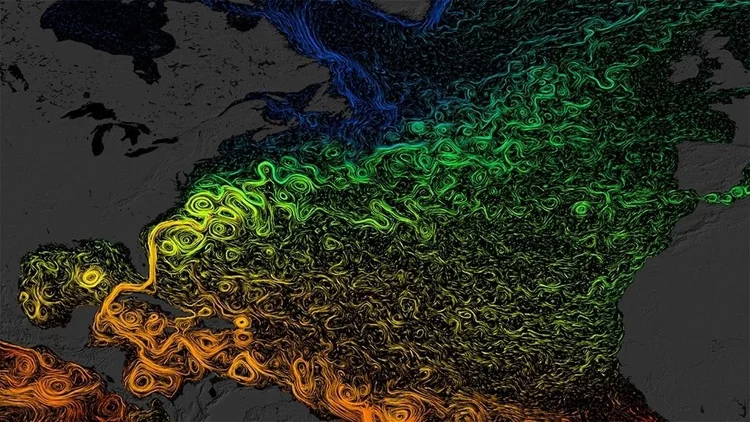
              <div class="section-caption-text" style="position:relative;"><p class="" style="font-size:.9375em;line-height:1.618em;margin:0 0 1.25em 0;font-weight:normal;margin-top:0;margin-bottom:0;font-family:'DejaVu Sans Condensed', 'Liberation Sans', 'Nimbus Sans L', 'Helvetica Neue', Helvetica, Arial, sans-serif;color:#666;">Ocean currents in the North Atlantic. Warmer colors indicate higher temperatures.&nbsp;Image by NASA  </p></div>
            </td>
              

          </tr>
        </tbody></table>
      </td>
    </tr>


</tbody></table>

</div>
<div id="text-text-section-4">


<table role="presentation" width="100%" cellpadding="0" cellspacing="0" border="0" bgcolor="transparent" class="text-section section-content">
  <tbody><tr>
    <td valign="top" class="section-text-area section-content-cell" style="padding-top:0px;padding-right:26px;padding-bottom:12px;padding-left:26px;color:#254d77;background-color:transparent;">
      <h2 style="color:inherit;margin:1.414em 0 .5em;font-weight:400;line-height:1.25em;font-size:1.8310546875em;mso-line-height-alt:1.8310546875em;margin-top:0;margin-bottom:0;font-family:'DejaVu Sans Condensed', 'Liberation Sans', 'Nimbus Sans L', 'Helvetica Neue', Helvetica, Arial, sans-serif;letter-spacing:-.01em;"><strong>Science</strong></h2>
    </td>
  </tr>
</tbody></table>

</div>
<div id="text-text-section-5">


<table role="presentation" width="100%" cellpadding="0" cellspacing="0" border="0" bgcolor="#FFFFFF" class="text-section section-content">
  <tbody><tr>
    <td valign="top" class="section-text-area section-content-cell" style="padding-top:7px;padding-right:26px;padding-bottom:16px;padding-left:26px;color:#000;background-color:#fff;">
      <h4 style="color:inherit;margin:1.414em 0 .5em;font-weight:400;line-height:1.25em;font-size:1.171875em;mso-line-height-alt:1.171875em;margin-top:0;font-family:'DejaVu Sans Condensed', 'Liberation Sans', 'Nimbus Sans L', 'Helvetica Neue', Helvetica, Arial, sans-serif;letter-spacing:.02em;"><strong>AMOC Collapse Probabilities Estimated</strong></h4><p class="" style="color:inherit;font-size:.9375em;line-height:1.618em;margin:0 0 1.25em 0;font-weight:normal;font-family:'DejaVu Sans Condensed', 'Liberation Sans', 'Nimbus Sans L', 'Helvetica Neue', Helvetica, Arial, sans-serif;">This <a href="https://eartharxiv.org/repository/view/13698/" rel="nofollow" style="color:#315f8d !important;"><span style="font-size:inherit;font-weight:inherit;line-height:inherit;margin:0;text-decoration:underline;">new study</span></a>, still in peer review, provides new estimates for a “committed collapse” of the Atlantic Meridional Overturning Circulation (AMOC):<strong> </strong></p><blockquote style="padding-left:20px;padding-right:20px;"><p class="" style="color:inherit;font-size:.9375em;line-height:1.618em;margin:0 0 1.25em 0;font-weight:normal;margin-top:0;font-family:'DejaVu Sans Condensed', 'Liberation Sans', 'Nimbus Sans L', 'Helvetica Neue', Helvetica, Arial, sans-serif;">The IPCC sixth assessment report characterized AMOC change primarily through projections of weakening strength, concluding that AMOC is likely to decline by 24–39% by 2100 under moderate-to-high emissions (central estimates), a figure recently revised upward to ~50%. However, this may obscure the risk that AMOC poses, which is an irreversible state transition on human timescales, with abrupt consequences for European temperatures, tropical monsoon systems, and sea level along the eastern North American seaboard, with changes happening at rates that would be highly challenging for adaptation. </p><p class="" style="color:inherit;font-size:.9375em;line-height:1.618em;margin:0 0 1.25em 0;font-weight:normal;margin-bottom:0;font-family:'DejaVu Sans Condensed', 'Liberation Sans', 'Nimbus Sans L', 'Helvetica Neue', Helvetica, Arial, sans-serif;">We quantify the risk of committed AMOC collapse using large ensembles of Earth system model simulations. Under conservative assumptions of Greenland ice sheet melt, the probability that collapse is already committed is 10%, rising to 80% by 2100 under worst case emissions. Under less conservative Greenland melt assumptions, probability that collapse is already committed is 23%.</p></blockquote><h4 style="color:inherit;margin:1.414em 0 .5em;font-weight:400;line-height:1.25em;font-size:1.171875em;mso-line-height-alt:1.171875em;font-family:'DejaVu Sans Condensed', 'Liberation Sans', 'Nimbus Sans L', 'Helvetica Neue', Helvetica, Arial, sans-serif;letter-spacing:.02em;"><strong>Thwaites Glacier Research Cites High Loss Rates</strong></h4><p style="color:inherit;font-size:.9375em;line-height:1.618em;margin:0 0 1.25em 0;font-weight:normal;font-family:'DejaVu Sans Condensed', 'Liberation Sans', 'Nimbus Sans L', 'Helvetica Neue', Helvetica, Arial, sans-serif;margin-top:0pt;margin-bottom:0pt;" class="">A March 2026 <a href="https://agupubs.onlinelibrary.wiley.com/doi/10.1029/2025GL118823" rel="nofollow" style="color:#315f8d !important;"><span style="font-size:inherit;font-weight:inherit;line-height:inherit;margin:0;text-decoration:underline;">paper</span></a> published in AGU’s <em>Geophysical Research Letters</em> points to findings of new models of ice loss from the Thwaites Glacier in Antarctica: </p><blockquote style="padding-left:20px;padding-right:20px;"><p class="" style="color:inherit;font-size:.9375em;line-height:1.618em;margin:0 0 1.25em 0;font-weight:normal;margin-top:0;margin-bottom:0;font-family:'DejaVu Sans Condensed', 'Liberation Sans', 'Nimbus Sans L', 'Helvetica Neue', Helvetica, Arial, sans-serif;">These models predict that by 2067, Thwaites could be losing 180–200 billion tons of ice per year—roughly equal to all the ice Antarctica loses today. The models show ice thinning spreading far inland along a deep valley beneath the glacier, potentially triggering runaway losses.</p></blockquote><p class="" style="color:inherit;font-size:.9375em;line-height:1.618em;margin:0 0 1.25em 0;font-weight:normal;font-family:'DejaVu Sans Condensed', 'Liberation Sans', 'Nimbus Sans L', 'Helvetica Neue', Helvetica, Arial, sans-serif;">This <a href="https://youtu.be/m5wB2ur1S2w?si=-eRZHBBUQYRzGA5C" rel="nofollow" style="color:#315f8d !important;"><span style="font-size:inherit;font-weight:inherit;line-height:inherit;margin:0;text-decoration:underline;">YouTube video</span></a> puts the new research findings into a larger context. </p><h4 style="color:inherit;margin:1.414em 0 .5em;font-weight:400;line-height:1.25em;font-size:1.171875em;mso-line-height-alt:1.171875em;font-family:'DejaVu Sans Condensed', 'Liberation Sans', 'Nimbus Sans L', 'Helvetica Neue', Helvetica, Arial, sans-serif;letter-spacing:.02em;"><strong>VIMS Issues Living Shoreline Guide</strong></h4><p style="color:inherit;font-size:.9375em;line-height:1.618em;margin:0 0 1.25em 0;font-weight:normal;font-family:'DejaVu Sans Condensed', 'Liberation Sans', 'Nimbus Sans L', 'Helvetica Neue', Helvetica, Arial, sans-serif;margin-top:0pt;margin-bottom:0pt;" class="">The Virginia Institute for Marine Science (VIMS) has published a <a href="https://cmap22.vims.edu/_docs/The-Science-Behind-Virginias-Living-Shoreline-Standards-Guidance-for-Coastal-Decision-Making_CCRM-VIMS-2026.pdf" rel="nofollow" style="color:#315f8d !important;"><span style="font-size:inherit;font-weight:inherit;line-height:inherit;margin:0;text-decoration:underline;">new guide</span></a> offering a science-based, process-oriented framework for evaluating whether a shoreline project functions as a living shoreline in practice, noting:</p><blockquote style="padding-left:20px;padding-right:20px;"><p style="color:inherit;font-size:.9375em;line-height:1.618em;margin:0 0 1.25em 0;font-weight:normal;font-family:'DejaVu Sans Condensed', 'Liberation Sans', 'Nimbus Sans L', 'Helvetica Neue', Helvetica, Arial, sans-serif;margin-top:0pt;margin-bottom:0pt;" class="">The central premise of this paper is that living shorelines should be defined by function rather than materials. To qualify, a project must use natural shoreline habitat as the basis for erosion control, provide water quality benefits, maintain land–water connectivity, and support the physical, chemical, and biological processes that sustain coastal systems over time. No single feature or material is sufficient on its own.</p></blockquote>
    </td>
  </tr>
</tbody></table>

</div>
<div id="image-image-section-below-6">
<table role="presentation" width="100%" cellpadding="0" cellspacing="0" border="0" bgcolor="transparent" class="image-section below-layout section-content">


    <tbody><tr>
      <td>
        <table role="presentation" width="100%" cellpadding="0" cellspacing="0" border="0">
          <tbody><tr>
              

            <td align="left" valign="middle" class="section-image-cell section-content-cell section-hoverable-image" data-aspect="ORIGINAL" style="padding:0;">
              
  <img class="section-scaleable-image" src="https://images.squarespace-cdn.com/content/69d042b890f18b3f771e7010/3697ded7-74de-4664-bcdf-49e5b03628c4/South-View.jpeg?content-type=image%2Fjpeg&amp;format=750w" width="594" alt="" style="font-size:.75em;display:block;border:0;text-decoration:none;line-height:0;background-color:transparent;font-weight:normal;height:auto;width:100%;max-width:100%;font-family:'DejaVu Sans Condensed', 'Liberation Sans', 'Nimbus Sans L', 'Helvetica Neue', Helvetica, Arial, sans-serif;">


            </td>
              

          </tr>
        </tbody></table>
      </td>
    </tr>
    
    <tr>
      <td>
        <table role="presentation" width="100%" cellpadding="0" cellspacing="0" border="0">
          <tbody><tr>
              

            <td valign="top" class="section-text-cell section-content-cell" style="padding-top:22px;padding-right:22px;padding-bottom:22px;padding-left:22px;">
              <div class="section-caption-text" style="position:relative;"><p class="" style="font-size:.9375em;line-height:1.618em;margin:0 0 1.25em 0;font-weight:normal;margin-top:0;margin-bottom:0;font-family:'DejaVu Sans Condensed', 'Liberation Sans', 'Nimbus Sans L', 'Helvetica Neue', Helvetica, Arial, sans-serif;color:#313131;">White House from south lawn. Photo by National Park Service</p></div>
            </td>
              

          </tr>
        </tbody></table>
      </td>
    </tr>


</tbody></table>

</div>
<div id="text-text-section-7">


<table role="presentation" width="100%" cellpadding="0" cellspacing="0" border="0" bgcolor="transparent" class="text-section section-content">
  <tbody><tr>
    <td valign="top" class="section-text-area section-content-cell" style="padding-top:20px;padding-right:26px;padding-bottom:12px;padding-left:26px;color:#254d77;background-color:transparent;">
      <h2 style="color:inherit;margin:1.414em 0 .5em;font-weight:400;line-height:1.25em;font-size:1.8310546875em;mso-line-height-alt:1.8310546875em;margin-top:0;margin-bottom:0;font-family:'DejaVu Sans Condensed', 'Liberation Sans', 'Nimbus Sans L', 'Helvetica Neue', Helvetica, Arial, sans-serif;letter-spacing:-.01em;"><strong>Federal Policy</strong></h2>
    </td>
  </tr>
</tbody></table>

</div>
<div id="text-text-section-8">


<table role="presentation" width="100%" cellpadding="0" cellspacing="0" border="0" bgcolor="#FFFFFF" class="text-section section-content">
  <tbody><tr>
    <td valign="top" class="section-text-area section-content-cell" style="padding-top:7px;padding-right:26px;padding-bottom:16px;padding-left:26px;color:#000;background-color:#fff;">
      <h4 style="color:inherit;margin:1.414em 0 .5em;font-weight:400;line-height:1.25em;font-size:1.171875em;mso-line-height-alt:1.171875em;margin-top:0;font-family:'DejaVu Sans Condensed', 'Liberation Sans', 'Nimbus Sans L', 'Helvetica Neue', Helvetica, Arial, sans-serif;letter-spacing:.02em;"><strong>FEMA Staff Assigned to Immigration Enforcement</strong></h4><p class="" style="color:inherit;font-size:.9375em;line-height:1.618em;margin:0 0 1.25em 0;font-weight:normal;font-family:'DejaVu Sans Condensed', 'Liberation Sans', 'Nimbus Sans L', 'Helvetica Neue', Helvetica, Arial, sans-serif;">A new <a href="https://democrats-transportation.house.gov/imo/media/doc/FEMA_%20RM%20Stanton%20Investigative_Report_FINAL.pdf" rel="nofollow" style="color:#315f8d !important;"><span style="font-size:inherit;font-weight:inherit;line-height:inherit;margin:0;text-decoration:underline;">report</span></a> from the Democratic staff of the House Transportation and Infrastructure Committee describes how FEMA staff have been reassigned to work on immigration enforcement matters, concluding: “FEMA personnel were directed to perform functions, including operational planning for arrests, raids and patrols; processing and logistics for detained noncitizens; recruiting and onboarding ICE officers; and day-to-day management of immigration detention facilities.”</p><p class="" style="color:inherit;font-size:.9375em;line-height:1.618em;margin:0 0 1.25em 0;font-weight:normal;font-family:'DejaVu Sans Condensed', 'Liberation Sans', 'Nimbus Sans L', 'Helvetica Neue', Helvetica, Arial, sans-serif;">The report concludes with eight recommendations, including:</p><blockquote style="padding-left:20px;padding-right:20px;"><p class="" style="color:inherit;font-size:.9375em;line-height:1.618em;margin:0 0 1.25em 0;font-weight:normal;margin-top:0;margin-bottom:0;font-family:'DejaVu Sans Condensed', 'Liberation Sans', 'Nimbus Sans L', 'Helvetica Neue', Helvetica, Arial, sans-serif;">…recalling all FEMA personnel from immigration enforcement details, resuming FEMA hiring and training programs, strengthening congressional oversight of the disaster declaration process, establishing FEMA as an independent agency and amending the Post-Katrina Emergency Management Reform Act to create enforceable penalties for the diversion of FEMA resources away from its statutory mission.</p></blockquote><p class="" style="color:inherit;font-size:.9375em;line-height:1.618em;margin:0 0 1.25em 0;font-weight:normal;font-family:'DejaVu Sans Condensed', 'Liberation Sans', 'Nimbus Sans L', 'Helvetica Neue', Helvetica, Arial, sans-serif;"><em><a href="https://www.washingtonpost.com/climate-environment/2026/07/10/assigning-fema-staff-immigration-enforcement-hurt-disaster-work-house-report-says" rel="nofollow" style="color:#315f8d !important;">The Washington Post</a></em> provides background information.  </p><h4 style="color:inherit;margin:1.414em 0 .5em;font-weight:400;line-height:1.25em;font-size:1.171875em;mso-line-height-alt:1.171875em;font-family:'DejaVu Sans Condensed', 'Liberation Sans', 'Nimbus Sans L', 'Helvetica Neue', Helvetica, Arial, sans-serif;letter-spacing:.02em;"><strong>Administration Denies Disaster Aid Requests from Democratic-Led States</strong></h4><p class="" style="color:inherit;font-size:.9375em;line-height:1.618em;margin:0 0 1.25em 0;font-weight:normal;font-family:'DejaVu Sans Condensed', 'Liberation Sans', 'Nimbus Sans L', 'Helvetica Neue', Helvetica, Arial, sans-serif;"><em>Energy and Environment News</em> <a href="https://www.eenews.net/articles/trump-denies-disaster-aid-for-four-democratic-led-states/" rel="nofollow" style="color:#315f8d !important;">describes</a> concern that Federal emergency management decisions are subject to political influence:</p><blockquote style="padding-left:20px;padding-right:20px;"><p class="" style="color:inherit;font-size:.9375em;line-height:1.618em;margin:0 0 1.25em 0;font-weight:normal;margin-top:0;margin-bottom:0;font-family:'DejaVu Sans Condensed', 'Liberation Sans', 'Nimbus Sans L', 'Helvetica Neue', Helvetica, Arial, sans-serif;">Trump on Friday rejected $227 million in aid requests from New York, New Jersey, Massachusetts and Rhode Island for help recovering from a major snowstorm in February. Two days earlier, Trump approved Federal Emergency Management Agency disaster aid for six Republican-led states, while extolling the political virtues of GOP politicians and candidates in the states.</p></blockquote><p class="" style="color:inherit;font-size:.9375em;line-height:1.618em;margin:0 0 1.25em 0;font-weight:normal;font-family:'DejaVu Sans Condensed', 'Liberation Sans', 'Nimbus Sans L', 'Helvetica Neue', Helvetica, Arial, sans-serif;">A March 2026 <a href="https://subscriber.politicopro.com/article/eenews/2026/03/23/trump-denies-disaster-aid-for-democratic-states-00831199" rel="nofollow" style="color:#315f8d !important;"><span style="font-size:inherit;font-weight:inherit;line-height:inherit;margin:0;text-decoration:underline;">article</span></a> in <em>Politico</em> described how the administration has approved 89 percent of disaster aid requests from red states, but only 23 percent of requests from blue states. </p><h4 style="color:inherit;margin:1.414em 0 .5em;font-weight:400;line-height:1.25em;font-size:1.171875em;mso-line-height-alt:1.171875em;font-family:'DejaVu Sans Condensed', 'Liberation Sans', 'Nimbus Sans L', 'Helvetica Neue', Helvetica, Arial, sans-serif;letter-spacing:.02em;"><strong>NRDC Issues Climate Relocation Report</strong></h4><p class="" style="color:inherit;font-size:.9375em;line-height:1.618em;margin:0 0 1.25em 0;font-weight:normal;font-family:'DejaVu Sans Condensed', 'Liberation Sans', 'Nimbus Sans L', 'Helvetica Neue', Helvetica, Arial, sans-serif;">The Natural Resources Defense Council has published a <a href="https://www.nrdc.org/resources/crisis-opportunity" rel="nofollow" style="color:#315f8d !important;"><span style="font-size:inherit;font-weight:inherit;line-height:inherit;margin:0;text-decoration:underline;">report</span></a> offering a framework for planned relocation in the U.S. in response to climate change. In this blog post, author Dr. Adelle Thomas notes:</p><blockquote style="padding-left:20px;padding-right:20px;"><p class="" style="color:inherit;font-size:.9375em;line-height:1.618em;margin:0 0 1.25em 0;font-weight:normal;margin-top:0;font-family:'DejaVu Sans Condensed', 'Liberation Sans', 'Nimbus Sans L', 'Helvetica Neue', Helvetica, Arial, sans-serif;">…planned relocation offers an opportunity to reduce long-term risk, strengthen resilience, and advance equity. Drawing on more than 300 global case studies and examples from communities across the United States—such as Newtok, Alaska, and Isle de Jean Charles, Louisiana—NRDC’s new report identifies what works, what doesn’t, and what must change.&nbsp;&nbsp;</p><p class="" style="color:inherit;font-size:.9375em;line-height:1.618em;margin:0 0 1.25em 0;font-weight:normal;margin-bottom:0;font-family:'DejaVu Sans Condensed', 'Liberation Sans', 'Nimbus Sans L', 'Helvetica Neue', Helvetica, Arial, sans-serif;">Ultimately, the United States must shift from reactive disaster response to proactive, justice-centered planning. By learning from global best practices and addressing long-standing structural inequities, the United States can transform planned relocation from a last resort into a strategic, community-driven approach to managing climate risk.&nbsp;</p></blockquote><h4 style="color:inherit;margin:1.414em 0 .5em;font-weight:400;line-height:1.25em;font-size:1.171875em;mso-line-height-alt:1.171875em;font-family:'DejaVu Sans Condensed', 'Liberation Sans', 'Nimbus Sans L', 'Helvetica Neue', Helvetica, Arial, sans-serif;letter-spacing:.02em;"><strong>Legislative Update</strong></h4><p class="" style="color:inherit;font-size:.9375em;line-height:1.618em;margin:0 0 1.25em 0;font-weight:normal;font-family:'DejaVu Sans Condensed', 'Liberation Sans', 'Nimbus Sans L', 'Helvetica Neue', Helvetica, Arial, sans-serif;">Several bills related to coastal flood resilience are worth examining as the 119th Congress lurches to a close:</p><ul data-rte-list="default" style="padding-left:25px;"><li style="font-weight:normal;margin-top:0px;margin-bottom:0px;margin-left:15px;font-family:'DejaVu Sans Condensed', 'Liberation Sans', 'Nimbus Sans L', 'Helvetica Neue', Helvetica, Arial, sans-serif;"><p class="" style="color:inherit;font-size:.9375em;line-height:1.618em;margin:0 0 1.25em 0;font-weight:normal;margin-top:0;margin-bottom:0;font-family:'DejaVu Sans Condensed', 'Liberation Sans', 'Nimbus Sans L', 'Helvetica Neue', Helvetica, Arial, sans-serif;"><strong>WRDA2026</strong>: The Senate Environment and Public Works Committee has reported WRDA2026 legislation. <a href="https://www.epw.senate.gov/public/index.cfm/press-releases-republican?ID=2CF9393C-50AB-4EBC-976C-38C2422FBED0" rel="nofollow" style="color:#315f8d !important;"><span style="font-size:inherit;font-weight:inherit;line-height:inherit;margin:0;text-decoration:underline;">This press release</span></a> includes links to bill text and section-by section analysis. The House Transportation and Infrastructure Committee has <a href="https://transportation.house.gov/news/documentsingle.aspx?DocumentID=410235" rel="nofollow" style="color:#315f8d !important;"><span style="font-size:inherit;font-weight:inherit;line-height:inherit;margin:0;text-decoration:underline;">more information</span></a>.</p></li><li style="font-weight:normal;margin-top:0px;margin-bottom:0px;margin-left:15px;font-family:'DejaVu Sans Condensed', 'Liberation Sans', 'Nimbus Sans L', 'Helvetica Neue', Helvetica, Arial, sans-serif;"><p class="" style="color:inherit;font-size:.9375em;line-height:1.618em;margin:0 0 1.25em 0;font-weight:normal;margin-top:0;margin-bottom:0;font-family:'DejaVu Sans Condensed', 'Liberation Sans', 'Nimbus Sans L', 'Helvetica Neue', Helvetica, Arial, sans-serif;"><strong>FEMA Act</strong>: The House Transportation and Infrastructure Committee held a hearing on July 15 for further testimony on the Fixing Emergency Management for American’s Act (FEMA) in light of the recent recommendations on FEMA from the FEMA Review Council. <a href="https://transportation.house.gov/calendar/eventsingle.aspx?EventID=410200" rel="nofollow" style="color:#315f8d !important;">This press release</a> has more information.</p></li><li style="font-weight:normal;margin-top:0px;margin-bottom:0px;margin-left:15px;font-family:'DejaVu Sans Condensed', 'Liberation Sans', 'Nimbus Sans L', 'Helvetica Neue', Helvetica, Arial, sans-serif;"><p class="" style="color:inherit;font-size:.9375em;line-height:1.618em;margin:0 0 1.25em 0;font-weight:normal;margin-top:0;margin-bottom:0;font-family:'DejaVu Sans Condensed', 'Liberation Sans', 'Nimbus Sans L', 'Helvetica Neue', Helvetica, Arial, sans-serif;"><strong>The NFIP Premium Transparency Act&nbsp;</strong>(<a href="https://us.list-manage.com/pYSKbfajShC?e=124ca5e8b0&amp;c2id=19a3da55577fefa0ddbf68c9ec69ed48" rel="nofollow" style="color:#315f8d !important;"><span style="font-size:inherit;font-weight:inherit;line-height:inherit;margin:0;text-decoration:underline;">H.R.9511</span></a>): The bill would require that each NFIP policy declaration page would be required to display the property's full set of Risk Rating 2.0 rating factors, as well as applicable discounts, mitigation options, and claims history.&nbsp;The bill also mandates that FEMA launch an online flood insurance information tool that allows property owners to access detailed flood risk data with an interactive feature showing potential cost savings.</p></li><li style="font-weight:normal;margin-top:0px;margin-bottom:0px;margin-left:15px;font-family:'DejaVu Sans Condensed', 'Liberation Sans', 'Nimbus Sans L', 'Helvetica Neue', Helvetica, Arial, sans-serif;"><p class="" style="color:inherit;font-size:.9375em;line-height:1.618em;margin:0 0 1.25em 0;font-weight:normal;margin-top:0;margin-bottom:0;font-family:'DejaVu Sans Condensed', 'Liberation Sans', 'Nimbus Sans L', 'Helvetica Neue', Helvetica, Arial, sans-serif;"><strong>The Commission on Natural Disaster Risk Management and Insurance</strong>&nbsp;(<a href="https://us.list-manage.com/1Co3kh0SxCO?e=124ca5e8b0&amp;c2id=19a3da55577fefa0ddbf68c9ec69ed48" rel="nofollow" style="color:#315f8d !important;"><span style="font-size:inherit;font-weight:inherit;line-height:inherit;margin:0;text-decoration:underline;">H.R.8439</span></a>):&nbsp;The proposed commission would examine the risks posed to the United States (both nationally and to individual States, localities, tribes and other geographic areas) by natural disasters, and means for mitigating the risks and financial costs associated with losses.</p></li></ul><h4 style="color:inherit;margin:1.414em 0 .5em;font-weight:400;line-height:1.25em;font-size:1.171875em;mso-line-height-alt:1.171875em;font-family:'DejaVu Sans Condensed', 'Liberation Sans', 'Nimbus Sans L', 'Helvetica Neue', Helvetica, Arial, sans-serif;letter-spacing:.02em;"><strong>HUD Proposes Rule to Revoke FFRMS</strong></h4><p class="" style="color:inherit;font-size:.9375em;line-height:1.618em;margin:0 0 1.25em 0;font-weight:normal;font-family:'DejaVu Sans Condensed', 'Liberation Sans', 'Nimbus Sans L', 'Helvetica Neue', Helvetica, Arial, sans-serif;">The Department of Housing and Urban Development has <a href="https://www.federalregister.gov/documents/2026/07/10/2026-13939/rescission-of-floodplain-management-and-protection-of-wetlands-minimum-property-standards-for-flood" rel="nofollow" style="color:#315f8d !important;"><span style="font-size:inherit;font-weight:inherit;line-height:inherit;margin:0;text-decoration:underline;">proposed a rule</span></a> that would revoke the Federal Flood Risk Management Standard (FFRMS). CFRP has strongly supported implementation of the FFRMS because of its many benefits for coastal resilience (see <a href="https://www.cfrp.info/policy-agenda" rel="nofollow" style="color:#315f8d !important;"><span style="font-size:inherit;font-weight:inherit;line-height:inherit;margin:0;text-decoration:underline;">CFRP Policy Agenda</span></a>). Comments are due September 8.</p><h4 style="color:inherit;margin:1.414em 0 .5em;font-weight:400;line-height:1.25em;font-size:1.171875em;mso-line-height-alt:1.171875em;font-family:'DejaVu Sans Condensed', 'Liberation Sans', 'Nimbus Sans L', 'Helvetica Neue', Helvetica, Arial, sans-serif;letter-spacing:.02em;"><strong>How to Better Account for Climate Risks in Housing Prices</strong></h4><p class="" style="color:inherit;font-size:.9375em;line-height:1.618em;margin:0 0 1.25em 0;font-weight:normal;font-family:'DejaVu Sans Condensed', 'Liberation Sans', 'Nimbus Sans L', 'Helvetica Neue', Helvetica, Arial, sans-serif;">This <a href="https://www.journals.uchicago.edu/doi/10.1086/741732" rel="nofollow" style="color:#315f8d !important;"><span style="font-size:inherit;font-weight:inherit;line-height:inherit;margin:0;text-decoration:underline;">research paper</span></a>, published in the journal <em>Review of Environmental Economics and Policy,</em> explains that climate risks are not fully priced in U.S. housing markets, noting that this mispricing can distort household decision-making and may incentivize development in high-risk areas, leading to sudden adjustments in home values and market instability. The authors explain:</p><blockquote style="padding-left:20px;padding-right:20px;"><p class="" style="color:inherit;font-size:.9375em;line-height:1.618em;margin:0 0 1.25em 0;font-weight:normal;margin-top:0;margin-bottom:0;font-family:'DejaVu Sans Condensed', 'Liberation Sans', 'Nimbus Sans L', 'Helvetica Neue', Helvetica, Arial, sans-serif;">…we review how policies that contribute toward more efficient pricing of climate risk can either support or hinder market stability and progressive distributional outcomes. We specifically focus on how three sets of state and federal policy levers—improving climate risk information, removing subsidies for development in high-risk areas, and increasing public investment in disaster risk reduction—can be implemented to reprice climate risk in housing markets following a gradual and transparent pathway, while protecting low-income households from adverse financial impacts..</p></blockquote><h4 style="color:inherit;margin:1.414em 0 .5em;font-weight:400;line-height:1.25em;font-size:1.171875em;mso-line-height-alt:1.171875em;font-family:'DejaVu Sans Condensed', 'Liberation Sans', 'Nimbus Sans L', 'Helvetica Neue', Helvetica, Arial, sans-serif;letter-spacing:.02em;"><strong>Upper Limit Project Proposes New Metric for Sea Level Rise</strong></h4><p class="" style="color:inherit;font-size:.9375em;line-height:1.618em;margin:0 0 1.25em 0;font-weight:normal;font-family:'DejaVu Sans Condensed', 'Liberation Sans', 'Nimbus Sans L', 'Helvetica Neue', Helvetica, Arial, sans-serif;">The nonprofit organization <a href="https://sealevelrise-upperlimit.org/" rel="nofollow" style="color:#315f8d !important;"><span style="font-size:inherit;font-weight:inherit;line-height:inherit;margin:0;text-decoration:underline;">Upper Limit</span></a> is proposing a new metric to judge progress toward managing rising sea levels: “We need leadership to reshape this narrative by setting a clear Upper Limit to the rate of sea-level rise as a second metric to the 1.5°C Paris Agreement goal. An Upper Limit is a powerful, actionable metric, providing a dual approach to combating climate change and driving global urgency and action.”</p><p class="" style="color:inherit;font-size:.9375em;line-height:1.618em;margin:0 0 1.25em 0;font-weight:normal;font-family:'DejaVu Sans Condensed', 'Liberation Sans', 'Nimbus Sans L', 'Helvetica Neue', Helvetica, Arial, sans-serif;">Upper Limit also offers a newsletter. </p><h4 style="color:inherit;margin:1.414em 0 .5em;font-weight:400;line-height:1.25em;font-size:1.171875em;mso-line-height-alt:1.171875em;font-family:'DejaVu Sans Condensed', 'Liberation Sans', 'Nimbus Sans L', 'Helvetica Neue', Helvetica, Arial, sans-serif;letter-spacing:.02em;"><strong>Eight Reasons Land Use Planning is Not Being Used to Reduce Disaster Risk</strong></h4><p class="" style="color:inherit;font-size:.9375em;line-height:1.618em;margin:0 0 1.25em 0;font-weight:normal;margin-bottom:0;font-family:'DejaVu Sans Condensed', 'Liberation Sans', 'Nimbus Sans L', 'Helvetica Neue', Helvetica, Arial, sans-serif;">This <a href="https://andrewrumbach.substack.com/p/why-dont-we-use-land-use-planning" rel="nofollow" style="color:#315f8d !important;"><span style="font-size:inherit;font-weight:inherit;line-height:inherit;margin:0;text-decoration:underline;">post</span></a> on Substack from Andrew Rumach asks the question “Why Don't We Use Land Use Planning More Forcefully to Reduce Disaster Risk?” and then offers eight reasons that limit or constrain more effective use of land use tools, including the profit incentive for growth, fragmented local governments, lack of political support for disaster prevention, and zoning policies that promote low density, single family homes and suburban sprawl rather than “compact settlement patterns that would shrink or restrict our exposure.”&nbsp; Extra credit for anyone wanting to follow-up with the interesting supporting articles cited for each reason. </p>
    </td>
  </tr>
</tbody></table>

</div>
<div id="image-image-section-below-9">
<table role="presentation" width="100%" cellpadding="0" cellspacing="0" border="0" bgcolor="transparent" class="image-section below-layout section-content">


    <tbody><tr>
      <td>
        <table role="presentation" width="100%" cellpadding="0" cellspacing="0" border="0">
          <tbody><tr>
              

            <td align="left" valign="middle" class="section-image-cell section-content-cell section-hoverable-image" data-aspect="ORIGINAL" style="padding:0;">
              
  <img class="section-scaleable-image" src="https://images.squarespace-cdn.com/content/69d042b890f18b3f771e7010/74b5df24-acc0-4f2d-a06b-beb404adb020/coastal+marsh+cropped.jpg?content-type=image%2Fjpeg&amp;format=750w" width="594" alt="" style="font-size:.75em;display:block;border:0;text-decoration:none;line-height:0;background-color:transparent;font-weight:normal;height:auto;width:100%;max-width:100%;font-family:'DejaVu Sans Condensed', 'Liberation Sans', 'Nimbus Sans L', 'Helvetica Neue', Helvetica, Arial, sans-serif;">


            </td>
              

          </tr>
        </tbody></table>
      </td>
    </tr>
    
    <tr>
      <td>
        <table role="presentation" width="100%" cellpadding="0" cellspacing="0" border="0">
          <tbody><tr>
              

            <td valign="top" class="section-text-cell section-content-cell" style="padding-top:22px;padding-right:22px;padding-bottom:22px;padding-left:22px;">
              <div class="section-caption-text" style="position:relative;"><p class="" style="font-size:.9375em;line-height:1.618em;margin:0 0 1.25em 0;font-weight:normal;margin-top:0;margin-bottom:0;font-family:'DejaVu Sans Condensed', 'Liberation Sans', 'Nimbus Sans L', 'Helvetica Neue', Helvetica, Arial, sans-serif;color:#666;">Coastal wetlands. Photo by USFWS</p></div>
            </td>
              

          </tr>
        </tbody></table>
      </td>
    </tr>


</tbody></table>

</div>
<div id="text-text-section-10">


<table role="presentation" width="100%" cellpadding="0" cellspacing="0" border="0" bgcolor="transparent" class="text-section section-content">
  <tbody><tr>
    <td valign="top" class="section-text-area section-content-cell" style="padding-top:0px;padding-right:26px;padding-bottom:12px;padding-left:26px;color:#254d77;background-color:transparent;">
      <h2 style="color:inherit;margin:1.414em 0 .5em;font-weight:400;line-height:1.25em;font-size:1.8310546875em;mso-line-height-alt:1.8310546875em;margin-top:0;margin-bottom:0;font-family:'DejaVu Sans Condensed', 'Liberation Sans', 'Nimbus Sans L', 'Helvetica Neue', Helvetica, Arial, sans-serif;letter-spacing:-.01em;"><strong>State and Local</strong></h2>
    </td>
  </tr>
</tbody></table>

</div>
<div id="text-text-section-11">


<table role="presentation" width="100%" cellpadding="0" cellspacing="0" border="0" bgcolor="transparent" class="text-section section-content">
  <tbody><tr>
    <td valign="top" class="section-text-area section-content-cell" style="padding-top:7px;padding-right:26px;padding-bottom:16px;padding-left:26px;color:#000;background-color:transparent;">
      <h4 style="color:inherit;margin:1.414em 0 .5em;font-weight:400;line-height:1.25em;font-size:1.171875em;mso-line-height-alt:1.171875em;margin-top:0;font-family:'DejaVu Sans Condensed', 'Liberation Sans', 'Nimbus Sans L', 'Helvetica Neue', Helvetica, Arial, sans-serif;letter-spacing:.02em;"><strong>Wetlands Watch Issues Annual Report</strong></h4><p class="" style="color:inherit;font-size:.9375em;line-height:1.618em;margin:0 0 1.25em 0;font-weight:normal;font-family:'DejaVu Sans Condensed', 'Liberation Sans', 'Nimbus Sans L', 'Helvetica Neue', Helvetica, Arial, sans-serif;">CFRP partner organization Wetlands Watch, based in Norfolk, Virginia, has issued its <a href="https://static1.squarespace.com/static/6656257c31730e20da8416b2/t/6a55351d8a1be7576d59a152/1783969053196/Annual+Report+%282025%29+Web+FINAL.pdf" rel="nofollow" style="color:#315f8d !important;"><span style="font-size:inherit;font-weight:inherit;line-height:inherit;margin:0;text-decoration:underline;">annual report,</span></a> including a summary of work on coastal resilience. Executive Director Mary-Carson Stiff noted that this is Wetland Watch’s 25th anniversary: </p><blockquote style="padding-left:20px;padding-right:20px;"><p class="" style="color:inherit;font-size:.9375em;line-height:1.618em;margin:0 0 1.25em 0;font-weight:normal;margin-top:0;margin-bottom:0;font-family:'DejaVu Sans Condensed', 'Liberation Sans', 'Nimbus Sans L', 'Helvetica Neue', Helvetica, Arial, sans-serif;">At 25 years, Wetlands Watch is the steward of a shared, rich, collaborative effort that will require broader reach, deeper technical capacity, and steadier public commitment in the years ahead. Virginia’s next phase of climate adaptation will depend on policies that anticipate rising water, planning tools that help communities act before disaster, and land-use decisions that give wetlands a fighting chance to survive while keeping people safe. </p></blockquote><h4 style="color:inherit;margin:1.414em 0 .5em;font-weight:400;line-height:1.25em;font-size:1.171875em;mso-line-height-alt:1.171875em;font-family:'DejaVu Sans Condensed', 'Liberation Sans', 'Nimbus Sans L', 'Helvetica Neue', Helvetica, Arial, sans-serif;letter-spacing:.02em;"><strong>New Jersey Roadways at Risk of Flooding</strong></h4><p class="" style="color:inherit;font-size:.9375em;line-height:1.618em;margin:0 0 1.25em 0;font-weight:normal;font-family:'DejaVu Sans Condensed', 'Liberation Sans', 'Nimbus Sans L', 'Helvetica Neue', Helvetica, Arial, sans-serif;">This <a href="https://njclimateresourcecenter.rutgers.edu/resources/current-and-future-coastal-flood-inundation-of-roadways-in-new-jersey/" rel="nofollow" style="color:#315f8d !important;"><span style="font-size:inherit;font-weight:inherit;line-height:inherit;margin:0;text-decoration:underline;">report</span></a> from Rutgers University describes flood risks to roads and bridges across New Jersey, noting the high risk in southern coastal counties due to rising seas:</p><blockquote style="padding-left:20px;padding-right:20px;"><p class="" style="color:inherit;font-size:.9375em;line-height:1.618em;margin:0 0 1.25em 0;font-weight:normal;margin-top:0;margin-bottom:0;font-family:'DejaVu Sans Condensed', 'Liberation Sans', 'Nimbus Sans L', 'Helvetica Neue', Helvetica, Arial, sans-serif;">The southern coastal counties have the most roadways, hurricane evacuation routes, and bridges vulnerable to potential inundation in the three scenarios used in this analysis. These vulnerabilities continue to increase considerably in the potential miles and bridges inundated between the 2050 and 2100 scenarios suggesting that preparing for a projected 2 feet of sea level rise in 2050 alone may not be sufficient to prepare for the significant increase in permanent inundation that may be experienced 50 years later.</p></blockquote><h4 style="color:inherit;margin:1.414em 0 .5em;font-weight:400;line-height:1.25em;font-size:1.171875em;mso-line-height-alt:1.171875em;font-family:'DejaVu Sans Condensed', 'Liberation Sans', 'Nimbus Sans L', 'Helvetica Neue', Helvetica, Arial, sans-serif;letter-spacing:.02em;"><strong>New York City: New Housing vs. Flood Avoidance</strong></h4><p class="" style="color:inherit;font-size:.9375em;line-height:1.618em;margin:0 0 1.25em 0;font-weight:normal;font-family:'DejaVu Sans Condensed', 'Liberation Sans', 'Nimbus Sans L', 'Helvetica Neue', Helvetica, Arial, sans-serif;">This <a href="https://www.nytimes.com/2026/07/13/nyregion/brooklyn-housing-development-flooding.html?unlocked_article_code=1.xVA.zQjG.vB15mLtP0aDw&amp;smid=url-share" rel="nofollow" style="color:#315f8d !important;"><span style="font-size:inherit;font-weight:inherit;line-height:inherit;margin:0;text-decoration:underline;">article</span></a> in <em>The</em> <em>New York Times</em> reports on the approval of a major new housing development on a part of the city coastline most exposed to hurricane storm surges. The New York City area <a href="https://www.nytimes.com/2025/04/07/nyregion/climate-change-housing-crisis-new-york-city.html" rel="nofollow" style="color:#315f8d !important;"><span style="font-size:inherit;font-weight:inherit;line-height:inherit;margin:0;text-decoration:underline;">is projected</span></a> to lose more than 80,000 housing units to flooding in the next 15 years even as demand for housing remains high. Strong demand for new housing is overcoming caution about adding new homes to flood risk places.</p><blockquote style="padding-left:20px;padding-right:20px;"><p class="" style="color:inherit;font-size:.9375em;line-height:1.618em;margin:0 0 1.25em 0;font-weight:normal;margin-top:0;margin-bottom:0;font-family:'DejaVu Sans Condensed', 'Liberation Sans', 'Nimbus Sans L', 'Helvetica Neue', Helvetica, Arial, sans-serif;">The lure of waterfront development collides with a lack of citywide defenses that would protect residents from sea level rise and extreme rain, said Klaus Jacob, a geophysicist and professor emeritus at Columbia University. Until such a system is in place, he said, increasing density in flood plains “is a terrible idea.”</p></blockquote><h4 style="color:inherit;margin:1.414em 0 .5em;font-weight:400;line-height:1.25em;font-size:1.171875em;mso-line-height-alt:1.171875em;font-family:'DejaVu Sans Condensed', 'Liberation Sans', 'Nimbus Sans L', 'Helvetica Neue', Helvetica, Arial, sans-serif;letter-spacing:.02em;"><strong>Charleston South Carolina Zoning Rewrite</strong></h4><p class="" style="color:inherit;font-size:.9375em;line-height:1.618em;margin:0 0 1.25em 0;font-weight:normal;font-family:'DejaVu Sans Condensed', 'Liberation Sans', 'Nimbus Sans L', 'Helvetica Neue', Helvetica, Arial, sans-serif;">The City of Charleston, South Carolina is making comprehensive revisions to its zoning code to, among other things, limit development in coastal flood areas. This <a href="https://www.postandcourier.com/rising-waters/charleston-zoning-code-flood-damage/article_9605779c-dfe2-4742-8acc-942071e2d4f7.html" rel="nofollow" style="color:#315f8d !important;"><span style="font-size:inherit;font-weight:inherit;line-height:inherit;margin:0;text-decoration:underline;">article</span></a> in the <em>Charleston Post and Courier</em> describes the effort, quoting city staff:</p><blockquote style="padding-left:20px;padding-right:20px;"><p class="" style="color:inherit;font-size:.9375em;line-height:1.618em;margin:0 0 1.25em 0;font-weight:normal;margin-top:0;margin-bottom:0;font-family:'DejaVu Sans Condensed', 'Liberation Sans', 'Nimbus Sans L', 'Helvetica Neue', Helvetica, Arial, sans-serif;">We want to be able to restrict development in areas that are subject to frequent flooding in the future,” Overcash said. “It makes sense in many areas to do this, and in many areas around the edges of the city where you have marsh and water, it’s low-density already.</p></blockquote><h4 style="color:inherit;margin:1.414em 0 .5em;font-weight:400;line-height:1.25em;font-size:1.171875em;mso-line-height-alt:1.171875em;font-family:'DejaVu Sans Condensed', 'Liberation Sans', 'Nimbus Sans L', 'Helvetica Neue', Helvetica, Arial, sans-serif;letter-spacing:.02em;"><strong>Charleston City Coastal Storm Defenses: Costly, Ugly, and Unfair?</strong></h4><p class="" style="color:inherit;font-size:.9375em;line-height:1.618em;margin:0 0 1.25em 0;font-weight:normal;font-family:'DejaVu Sans Condensed', 'Liberation Sans', 'Nimbus Sans L', 'Helvetica Neue', Helvetica, Arial, sans-serif;">This <a href="https://www.postandcourier.com/rising-waters/army-corps-charleston-flooding-battery-extension-project/article_90a70a21-1cf4-429e-b430-4a1bb25a0767.html?utm_source=beehiiv&amp;utm_medium=newsletter&amp;utm_campaign=rising-waters-june-30&amp;_bhlid=557d759dff03090e9b6048e2d1228407f87006e1" rel="nofollow" style="color:#315f8d !important;"><span style="font-size:inherit;font-weight:inherit;line-height:inherit;margin:0;text-decoration:underline;">article</span></a> in the <em>Charleston Post and Courier</em> describes efforts by the City of Charleston to generate the $455 million needed to pay the local share of a proposed $1.3 billion costal defense project now being developed with the U.S. Army Corps of Engineers. A county tax on transportation scheduled for referendum in November could help cover costs, but some versions of the project design were considered and the current plan leaves some historically black neighborhoods unprotected. </p><h4 style="color:inherit;margin:1.414em 0 .5em;font-weight:400;line-height:1.25em;font-size:1.171875em;mso-line-height-alt:1.171875em;font-family:'DejaVu Sans Condensed', 'Liberation Sans', 'Nimbus Sans L', 'Helvetica Neue', Helvetica, Arial, sans-serif;letter-spacing:.02em;"><strong>California Considers Highway Coastal Flood Fixes</strong></h4><p class="" style="color:inherit;font-size:.9375em;line-height:1.618em;margin:0 0 1.25em 0;font-weight:normal;font-family:'DejaVu Sans Condensed', 'Liberation Sans', 'Nimbus Sans L', 'Helvetica Neue', Helvetica, Arial, sans-serif;">This <a href="https://grist.org/transportation/how-to-build-a-highway-in-the-age-of-climate-change/" rel="nofollow" style="color:#315f8d !important;"><span style="font-size:inherit;font-weight:inherit;line-height:inherit;margin:0;text-decoration:underline;">article</span></a> in <em>Grist</em> describes how the State of California is working to develop options for sea level rise flooding of highways, including in the San Francisco area. The proposed project would: </p><blockquote style="padding-left:20px;padding-right:20px;"><p class="" style="color:inherit;font-size:.9375em;line-height:1.618em;margin:0 0 1.25em 0;font-weight:normal;margin-top:0;font-family:'DejaVu Sans Condensed', 'Liberation Sans', 'Nimbus Sans L', 'Helvetica Neue', Helvetica, Arial, sans-serif;">…remake portions of the 21-mile highway. It would replace one of five bridges with one 5 feet taller, raise two one-mile sections by up to 8 inches, add a carpool and bus lane in each direction, and restore a tidal marsh and other ecosystems.&nbsp;</p><p class="" style="color:inherit;font-size:.9375em;line-height:1.618em;margin:0 0 1.25em 0;font-weight:normal;margin-bottom:0;font-family:'DejaVu Sans Condensed', 'Liberation Sans', 'Nimbus Sans L', 'Helvetica Neue', Helvetica, Arial, sans-serif;">Not everyone thinks that goes far enough. Some want the highway moved several miles inland. Others favor a far more ambitious $10 billion project that would take at least 20 years. It would raise almost the entire roadway, add a lane for cyclists and pedestrians, and perhaps include railway tracks</p></blockquote><h4 style="color:inherit;margin:1.414em 0 .5em;font-weight:400;line-height:1.25em;font-size:1.171875em;mso-line-height-alt:1.171875em;font-family:'DejaVu Sans Condensed', 'Liberation Sans', 'Nimbus Sans L', 'Helvetica Neue', Helvetica, Arial, sans-serif;letter-spacing:.02em;"><strong>New Orleans Relocation? Hold on a Minute</strong></h4><p class="" style="color:inherit;font-size:.9375em;line-height:1.618em;margin:0 0 1.25em 0;font-weight:normal;font-family:'DejaVu Sans Condensed', 'Liberation Sans', 'Nimbus Sans L', 'Helvetica Neue', Helvetica, Arial, sans-serif;">A recent <a href="https://www.nature.com/articles/s41893-026-01820-z.epdf?sharing_token=EbKt4AQtzfHIpS0IKw_i59RgN0jAjWel9jnR3ZoTv0MlKJdRcTWB_eBmhQntD4aKg460oCdZdOh3l4vKQm2tKuPh7ec8sehTAOxp3V_JugA6DOiC76Nglo18b1KV5WL2ekfGjo0Guy-p_UlJmuvRxjYhDCf9mE9Pj3m2tXe28clOR4lT_8CsoRwYfEYQrmDgqwlfZvuoH3PRzy93It62YzrPyMTRHz_jciTFBeuIfOl7SZNJ6Idbd4jrmh54KN0sOZud0UmIGISPsKGOGJDDoV_wfKHcCdP4PryOOrKfCwXU0Ew78612Z4pQtInyBuir&amp;tracking_referrer=www.theguardian.com" rel="nofollow" style="color:#315f8d !important;"><span style="font-size:inherit;font-weight:inherit;line-height:inherit;margin:0;text-decoration:underline;">research article</span></a> calling for New Orleans to begin planning to relocate to higher ground continues to generate controversy. This <a href="https://www.theguardian.com/us-news/2026/jul/01/new-orleans-relocation-reactions-climate" rel="nofollow" style="color:#315f8d !important;"><span style="font-size:inherit;font-weight:inherit;line-height:inherit;margin:0;text-decoration:underline;">article</span></a> in <em>The Guardian</em> notes that there has been a strong negative reaction to any suggestion of relocation, but that some comments have been constructive, quoting a study author: “I’ve found it encouraging – we’ve had more constructive reactions than negative ones,” Törnqvist said. “Of course it’s upsetting to hear this, but cities like&nbsp;New Orleans&nbsp;have an expiration date. We’ve already crossed a tipping point of survivability for our coastal wetlands. The rate of sea level rise is way too high. </p><p class="" style="color:inherit;font-size:.9375em;line-height:1.618em;margin:0 0 1.25em 0;font-weight:normal;font-family:'DejaVu Sans Condensed', 'Liberation Sans', 'Nimbus Sans L', 'Helvetica Neue', Helvetica, Arial, sans-serif;">A related <a href="https://insideclimatenews.org/news/30052026/louisiana-sea-level-rise-climate-migration/" rel="nofollow" style="color:#315f8d !important;"><span style="font-size:inherit;font-weight:inherit;line-height:inherit;margin:0;text-decoration:underline;">story</span></a> from <em>Inside Climate News </em>highlights the potential social justice issues facing the city if it fails to engage a process to manage the inevitable relocation and quotes Jesse Keenan, a study co-author: “It’s super important for people to recognize that what we’re ultimately calling for in this paper is a public, private, and civic engagement with adaptation policy, planning and practice.”</p><p class="" style="color:inherit;font-size:.9375em;line-height:1.618em;margin:0 0 1.25em 0;font-weight:normal;font-family:'DejaVu Sans Condensed', 'Liberation Sans', 'Nimbus Sans L', 'Helvetica Neue', Helvetica, Arial, sans-serif;">This <a href="https://thelensnola.org/2026/06/23/new-orleans-climate-change-future-managed-retreat/" rel="nofollow" style="color:#315f8d !important;"><span style="font-size:inherit;font-weight:inherit;line-height:inherit;margin:0;text-decoration:underline;">article</span></a> in the <em>New Orleans Lens, </em>offers a local perspective on the need to engage the coastal resilience challenge with author Nicholas Lalla noting: </p><blockquote style="padding-left:20px;padding-right:20px;"><p class="" style="color:inherit;font-size:.9375em;line-height:1.618em;margin:0 0 1.25em 0;font-weight:normal;margin-top:0;margin-bottom:0;font-family:'DejaVu Sans Condensed', 'Liberation Sans', 'Nimbus Sans L', 'Helvetica Neue', Helvetica, Arial, sans-serif;">This reckoning will require New Orleanians to jettison the myths we have constructed about ourselves and our home. In the “City That Care Forgot,” we advertise that the good times can roll forever. Entrenched racial inequalities are masked by a public brand of libertine fun and rich, multi-cultural food. Jazz and the roar of parades muffle the alarm bells of a looming environmental crisis.</p></blockquote><h4 style="color:inherit;margin:1.414em 0 .5em;font-weight:400;line-height:1.25em;font-size:1.171875em;mso-line-height-alt:1.171875em;font-family:'DejaVu Sans Condensed', 'Liberation Sans', 'Nimbus Sans L', 'Helvetica Neue', Helvetica, Arial, sans-serif;letter-spacing:.02em;"><strong>Florida Could Lead on Coastal Resilience</strong></h4><p class="" style="color:inherit;font-size:.9375em;line-height:1.618em;margin:0 0 1.25em 0;font-weight:normal;font-family:'DejaVu Sans Condensed', 'Liberation Sans', 'Nimbus Sans L', 'Helvetica Neue', Helvetica, Arial, sans-serif;">This <a href="https://fc100.org/research/resilience-reimagined-modern-policy-and-innovation-for-a-stronger-florida" rel="nofollow" style="color:#315f8d !important;"><span style="font-size:inherit;font-weight:inherit;line-height:inherit;margin:0;text-decoration:underline;">report</span></a> from the Florida Council of 100, titled <em>Resilience Reimagined: Modern Policy and Innovation for a Stronger Florida, </em>offers policy actions that Florida communities, businesses, and homeowners can take to reduce coastal flood risks, noting: </p><blockquote style="padding-left:20px;padding-right:20px;"><p class="" style="color:inherit;font-size:.9375em;line-height:1.618em;margin:0 0 1.25em 0;font-weight:normal;margin-top:0;margin-bottom:0;font-family:'DejaVu Sans Condensed', 'Liberation Sans', 'Nimbus Sans L', 'Helvetica Neue', Helvetica, Arial, sans-serif;">Florida has the opportunity to lead. By reforming its regulatory framework, modernizing its building code, and catalyzing resilience-focused innovation, the state can turn vulnerability into strength. With smart choices, Florida can demonstrate to the nation—and the world—that resilience is the foundation of long-term prosperity.</p></blockquote><h4 style="color:inherit;margin:1.414em 0 .5em;font-weight:400;line-height:1.25em;font-size:1.171875em;mso-line-height-alt:1.171875em;font-family:'DejaVu Sans Condensed', 'Liberation Sans', 'Nimbus Sans L', 'Helvetica Neue', Helvetica, Arial, sans-serif;letter-spacing:.02em;"><strong>Delaware and Virginia Senators Seek Funds for Living Shorelines</strong></h4><p class="" style="color:inherit;font-size:.9375em;line-height:1.618em;margin:0 0 1.25em 0;font-weight:normal;font-family:'DejaVu Sans Condensed', 'Liberation Sans', 'Nimbus Sans L', 'Helvetica Neue', Helvetica, Arial, sans-serif;">This<a href="https://insideclimatenews.org/news/01072026/chesapeake-bay-living-shoreline-projects/" rel="nofollow" style="color:#315f8d !important;"><span style="font-size:inherit;font-weight:inherit;line-height:inherit;margin:0;text-decoration:underline;"> article</span></a> in <em>Inside Climate News</em> describes how senators from Delaware and Maryland are seeking funds through the appropriations process to support a number of different living shoreline projects in their states. Christophe Tulou, Director of the Delaware Center for the Inland Bays, is quoted: “There’s just a broad swath of interest and a lot of interest in living shorelines, which is more natural and, we would argue, a more sustainable way of providing those kinds of protections compared to these hard structures of the past,” Tulou said.&nbsp;</p><h4 style="color:inherit;margin:1.414em 0 .5em;font-weight:400;line-height:1.25em;font-size:1.171875em;mso-line-height-alt:1.171875em;font-family:'DejaVu Sans Condensed', 'Liberation Sans', 'Nimbus Sans L', 'Helvetica Neue', Helvetica, Arial, sans-serif;letter-spacing:.02em;"><strong>Virginia’s Jamestown at Risk of Rising Seas</strong></h4><p class="" style="color:inherit;font-size:.9375em;line-height:1.618em;margin:0 0 1.25em 0;font-weight:normal;margin-bottom:0;font-family:'DejaVu Sans Condensed', 'Liberation Sans', 'Nimbus Sans L', 'Helvetica Neue', Helvetica, Arial, sans-serif;">This interesting <a href="https://www.youtube.com/watch?v=csogW7MUQkk" rel="nofollow" style="color:#315f8d !important;"><span style="font-size:inherit;font-weight:inherit;line-height:inherit;margin:0;text-decoration:underline;">reporting</span></a> from the <em>PBS News Hour</em> describes the work underway to recover artifacts from the site of the early colonia Jamestown settlement before sea level rise flooding makes further recovery impractical. </p>
    </td>
  </tr>
</tbody></table>

</div>
<div id="spacer-spacer-section-12">

<table role="presentation" width="100%" cellpadding="0" cellspacing="0" border="0" bgcolor="transparent" class="spacer-section section-content">
  <tbody><tr>
    <td align="center" valign="middle" class="section-content-cell" height="40" style="height:40px;">
    </td>
  </tr>
</tbody></table>

</div>
                </td>
              </tr>
            </tbody></table>
            
              <table role="presentation" width="100%" cellpadding="0" cellspacing="0" border="0" id="newsletter-section-footer">
                <tbody><tr>
                  <td align="center" valign="top" id="newsletter-section-footer-cell">
                    
<div id="footer-footer-section-stacked-top-0">


<table role="presentation" width="100%" cellpadding="0" cellspacing="0" border="0" bgcolor="#F6F6F6" class="footer-section footer-section-stacked section-content" style="background-color:#f6f6f6;">
  <tbody><tr>
    <td align="center" valign="top" class="section-text-area section-content-cell" style="padding-top:40px;padding-right:26px;padding-bottom:22px;padding-left:26px;">
      
  <p class="brand-name" style="line-height:1.618em;font-weight:normal;margin-top:0;font-family:'DejaVu Sans Condensed', 'Liberation Sans', 'Nimbus Sans L', 'Helvetica Neue', Helvetica, Arial, sans-serif;color:#000;margin-bottom:13.75px;font-size:14px;mso-line-height-alt:14px;white-space:pre-wrap;margin:0 0 13.75px 0;padding:0;">The Coastal Flood Resilience Project is a network of nonprofit organizations working for stronger federal, state, and local programs to prepare for coastal storm flooding and rising sea levels along the coast of the United States.</p>


    <p class="footer-company-info" style="line-height:1.618em;font-weight:normal;font-family:'DejaVu Sans Condensed', 'Liberation Sans', 'Nimbus Sans L', 'Helvetica Neue', Helvetica, Arial, sans-serif;color:#111;font-size:11px;margin:0 0 13.75px 0;padding:0;">
  <a style="color:#111;text-decoration:none;font-size:inherit;font-family:inherit;font-weight:inherit;line-height:inherit;cursor:default;">
  88 V Street SW, 
  Washington, DC 20024, 
  United States</a>
</p>


<p class="footer-links" style="line-height:1.618em;font-weight:normal;font-family:'DejaVu Sans Condensed', 'Liberation Sans', 'Nimbus Sans L', 'Helvetica Neue', Helvetica, Arial, sans-serif;font-size:11px;color:#313131;margin:0 0 13.75px 0;padding:0;">
  Powered by <a href="https://www.squarespace.com?channel=product_refer&amp;subchannel=customer&amp;source=email_campaigns_button&amp;campaign=69d042b890f18b3f771e7010&amp;utm_medium=product_refer&amp;utm_source=email_campaigns_button" class="sqsp-link" style="color:#313131;text-decoration:underline;display:inline-block;">Squarespace</a>
</p>


      <p class="footer-links" style="line-height:1.618em;font-weight:normal;margin-bottom:0;font-family:'DejaVu Sans Condensed', 'Liberation Sans', 'Nimbus Sans L', 'Helvetica Neue', Helvetica, Arial, sans-serif;font-size:11px;color:#313131;margin:0 0 13.75px 0;padding:0;">
  <a href="#" class="unsubscribe-link" style="color:#313131;text-decoration:underline;">
    <span class="unsubscribe-link-text" style="font-size:inherit;font-weight:inherit;line-height:inherit;margin:0;">Unsubscribe</span>
  </a>
</p>

    </td>
  </tr>
</tbody></table>

</div>
                  </td>
                </tr>
              </tbody></table>
            
          </td>
        </tr>
      </tbody></table>
    </td>
  </tr>
</tbody></table>

  </body>
</html>