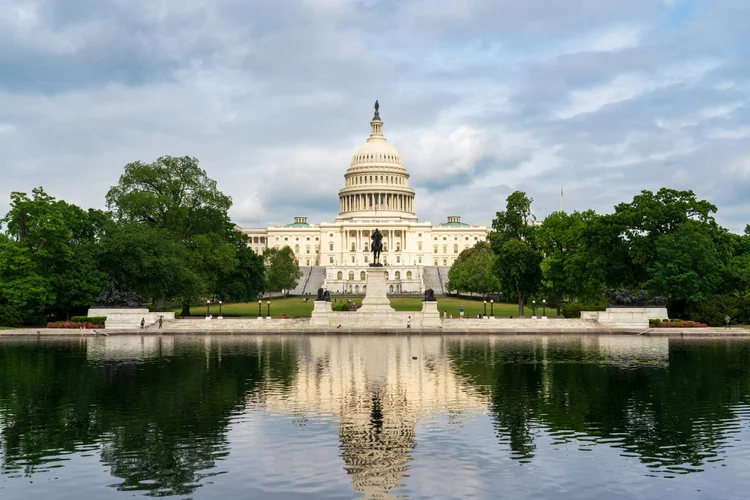
North Carolina Considers New Authority for SeawallsIn the Raleigh News and Observer, the Director of the North Carolina Coastal Federation describes proposals to weaken the established limits on coastal armoring structures along the coast of North Carolina and argues for a more balanced approach: That is why lawmakers should proceed cautiously before changing how North Carolina manages beach erosion. Three bills before the General Assembly — SB 1001, SB 1008, and SB 1009 — would make it easier to build hardened shoreline structures such as groins, seawalls, revetments, and breakwaters. One proposal would also authorize state taxpayer funding for permitting, construction, and repairs.
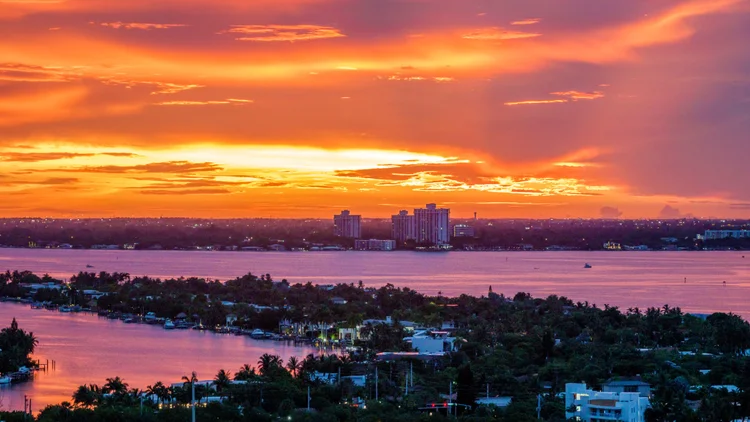
Florida's Biscayne Bay Threatened by Rising SeasInside Climate News reports that the Biscayne Bay estuary is gradually becoming open ocean as sea level rises, with impacts on marine life and drinking water supplies. “What the eye misses, the data captures: a bay sliding steadily from an estuary to something closer to the open ocean, a transition the study's authors say sea-level rise has made effectively irreversible.” Florida Coastal Communities Unraveling as Climate Change Drives Insurance Cost IncreasesThis article in The Conversation describes how Florida coastal communities are splintering as rising costs of insurance drive lower income people away: On this street, I saw a community slowly unraveling as climate shocks – and the subsequent market responses to them – have reshaped the cost of living. These costs are driven by more than major disasters. Soaring property insurance rates are repricing life in the Sunshine State, and this is likely to worsen as hurricanes intensify in the coming years.
The author argues for new policies that build on a community scale response to climate risks: “Public institutions like the housing resilience agencies proposed by the Climate and Community Institute could help connect insurance and adaptation in new ways.” California's Pacifica Pier at Risk of Rising SeasThe Los Angeles Times reports that over 10 public piers along the California coast were closed in 2024 due to damages from storms and rising seas, including a pier in Pacifica: The Pacifica Municipal Pier was shut down and taped off Thursday after city workers noticed cracks running through the landmark structure and concrete chunks falling into the ocean. It's just one of many coastal California structures that have recently crumbled under pressure from a rising and relentless ocean.
South Carolina Gullah Geechee PeopleThis video shows how the Gullah Geechee people have responded to rising sea levels, including working to build living shorelines. Virginia Land Acquisition Plan Addresses Flood RiskThis article, part of the Georgetown Climate Center's Adaptation Policy in Practice series, describes Virginia's "ConserveVirginia" program, which: combines data-driven mapping, integrated planning processes, and clear funding priorities to address flood risk along with other more familiar land conservation challenges. The map identifies approximately 7.8 million acres of high-value conservation lands across seven categories, one of which is explicitly dedicated to Floodplains and Flooding Resilience. Drawing on historic flooding records, sea level rise projections, and wetland mapping, it identifies 537,995 acres of unprotected Virginia land whose conservation would reduce flood risk across the state.
Importantly, the coastal element of the flood risk assessment “targets upland areas adjacent to existing coastal wetlands where conservation would allow those wetlands to migrate inland as sea levels rise, preserving their long-term flood protection function.” New Jersey Climate Videos Address Sea Level Rise TopicsThe New Jersey Climate Change Research Center at Rutgers University has published a series of videos providing short explanations for climate-related topics, including several aspects of sea level rise:
|